

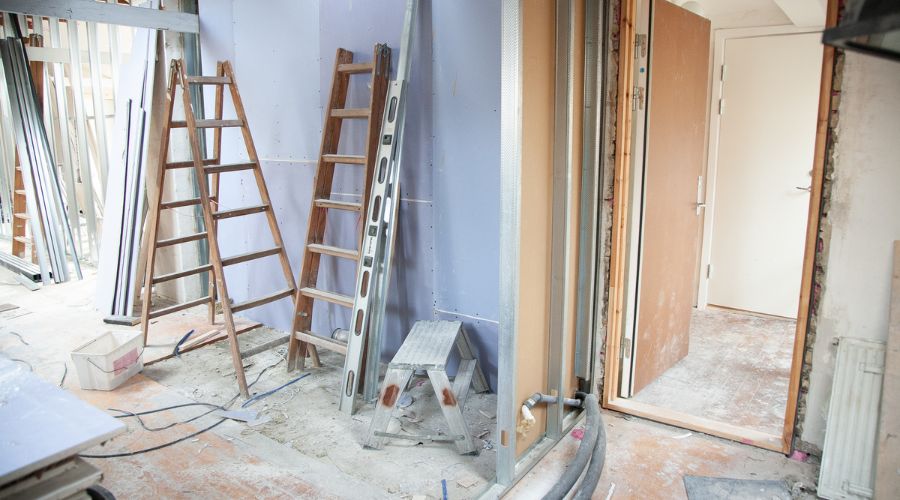
Remodeling your home or commercial space is an exciting process. New walls, fresh paint, and updated flooring can transform a space. But one major area is often overlooked once the dust settles: your HVAC system and air ducts.
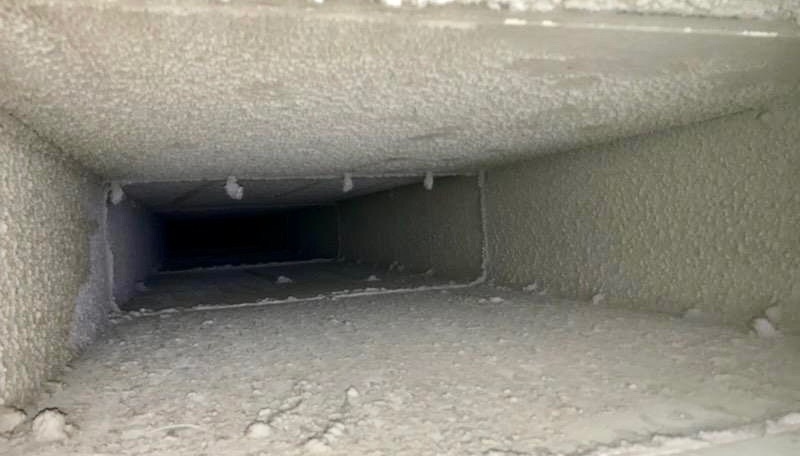
If your renovation involved drywall, sanding, mudding, demolition, or construction of any kind, there is a high chance your ductwork is now harboring fine dust particles that can pose serious health and efficiency issues.
Here is why air duct cleaning after a remodel is not just recommended – it is essential.
1. Drywall Dust is Extremely Harmful to Breathe
During drywall installation and sanding, clouds of gypsum dust (calcium sulfate) are released into the air. This dust is extremely fine, ranging from 0.3 to 10 microns in size, which means it can be easily inhaled and settle deep into the respiratory tract.
According to the Occupational Safety and Health Administration (OSHA), breathing in fine construction dust like silica and gypsum can cause short- and long-term respiratory issues, especially for children, older adults, and people with asthma or allergies.
Even if the dust settles after the job, any movement in the home or the HVAC fan can send it airborne again.
2. Mudding and Sanding Create Microscopic Particles

Even a small job can lead to excessive and unsafe indoor air conditions.
Joint compound used in drywall mudding contains silica and other fillers. When sanded, these materials create a cloud of particulate matter that spreads through the space and into your ductwork.
A study by the National Institute for Occupational Safety and Health (NIOSH) found that sanding drywall can produce dust levels over 10 times the OSHA permissible exposure limit for respirable dust. That means even a small job can lead to excessive and unsafe indoor air conditions.
3. Construction Dust Comes From More Than Drywall
Several common renovation and construction activities produce high volumes of airborne dust and debris that easily enter the HVAC system:
-
Demolition: Releases layers of plaster, wood, insulation, and sometimes hazardous materials like lead paint or mold spores
-
Wood cutting and sanding: Produces fine sawdust that clogs filters and irritates lungs
-
Tile cutting and grout work: Releases silica dust from ceramic and stone materials
-
Concrete grinding or masonry: Creates large amounts of crystalline silica dust
-
Insulation installation or removal: Spreads fiberglass particles that are harmful when inhaled
-
Flooring removal: Dislodges decades of settled dust, dander, and adhesive particles
-
Painting prep: Sanding between coats adds to the dust load in the air
These fine particles do not stay localized. Once the HVAC system is running, dust is drawn into return vents and circulated throughout every room in the home or business.
4. Air Filters Cannot Keep Up
Many people rely on their HVAC filter to keep the air clean during a remodel, but filters can only do so much. Once overloaded with construction dust, filters lose effectiveness and allow fine particles to pass through and coat the interior of the system.
According to Energy Star, a clogged filter can reduce airflow by up to 15 percent. This not only decreases indoor air quality but also strains the HVAC unit, increasing energy use and reducing lifespan.
5. Dust Travels Beyond the Work Zone
Construction dust does not stay where the work is happening.
Construction dust does not stay where the work is happening. Even if doors are closed or the room is taped off, dust finds its way into open vents, duct returns, and shared air zones.
Studies show that dust and debris can increase airborne particulate levels by 300 percent or more if not cleaned immediately after a renovation. That means your freshly painted guest room or renovated office may already be re-circulating harmful particles—even if it looks spotless on the surface.
Clean Ducts Mean Clean Air
At PNW ProClean, we specialize in residential and commercial air duct cleaning, and we have seen firsthand just how much construction debris can get trapped inside ductwork, even from small upgrades.
PNW ProClean’s professional duct cleaning removes:
-
Gypsum and silica dust from drywall sanding
-
Sawdust and insulation fibers
-
Paint and chemical residues
-
Construction debris like nails, screws, and drywall chunks
-
Mold and moisture buildup from blocked vents
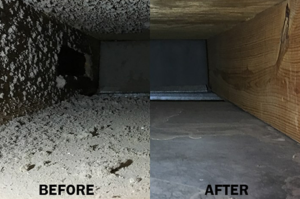
We use industrial-grade vacuums and brushing tools to fully extract particles from the duct system and improve overall airflow and air quality.
Who Needs Post-Remodel Duct Cleaning
-
Homeowners after kitchen, bathroom, or full-home renovations
-
Commercial property managers after tenant improvements or office upgrades
-
Contractors looking to offer final cleanup services
-
Landlords preparing units for new tenants
-
Real estate agents listing recently updated properties
When to Schedule Air Duct Cleaning
Your remodel may be done, but if your air ducts were not cleaned, your space is not truly clean.
-
Immediately after drywall sanding, demolition, or tile cutting
-
If your HVAC system ran at all during the remodel
-
If you notice visible dust near vents or reduced airflow
-
If anyone in the space is experiencing coughing, sneezing, or allergy symptoms
-
If your air filter is visibly clogged following the project
Bottom Line
Your remodel may be done, but if your air ducts were not cleaned, your space is not truly clean.
Construction dust, especially from drywall, woodwork, masonry, and insulation, can hide in your HVAC system, lower indoor air quality, reduce system efficiency, and negatively impact the health of everyone in your home or business. Contact PNW ProClean today for a free quote or to schedule your post-remodel air duct cleaning.