


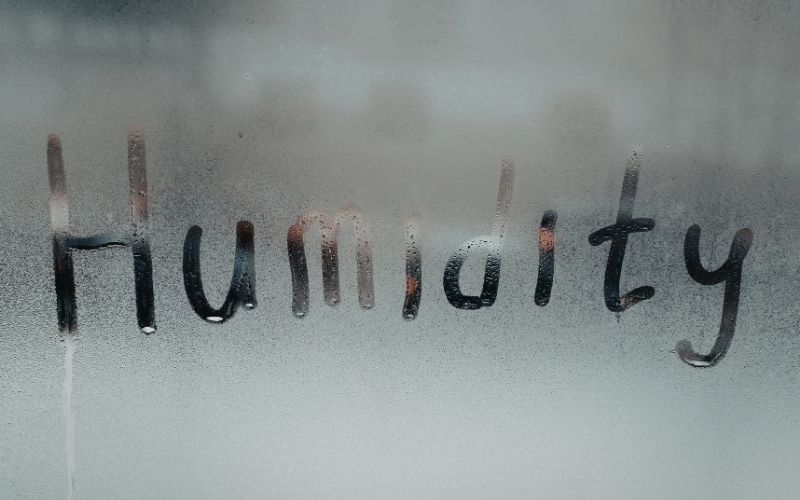
Most homeowners think of their HVAC system in two seasons: it heats in winter and cools in summer. In Portland, that seasonal mindset misses something critical. Your HVAC system is also responsible for managing indoor humidity, which is often the biggest factor in whether your home actually feels comfortable.
In the Pacific Northwest, where outdoor moisture is consistently high for much of the year, humidity control becomes even more important. When humidity is off, a 72-degree home can feel damp and musty in winter or sticky during warmer months, even when the temperature itself seems fine.
Here is how your HVAC system actually controls humidity, why so many Portland homes feel imbalanced, and what you can do to fix it.
The Ideal Humidity Range for Homes
The EPA and most HVAC professionals recommend maintaining indoor relative humidity between 30 and 50 percent year-round. Below 30 percent, homeowners tend to experience dry skin, respiratory irritation, and damage to wood finishes. Above 50 percent, the risk shifts toward mold growth, dust mites, and long-term structural issues.
A peer-reviewed study published in the Indoor Air Journal found that both excessively low and excessively high humidity are linked to increased respiratory symptoms and allergic reactions across thousands of homes.
In Portland, many homes naturally trend above that ideal range due to persistent outdoor moisture, especially during fall, winter, and spring.
How HVAC Systems Remove (and Trap) Moisture
When your air conditioner runs, it removes humidity by cooling air below its dew point, causing moisture to condense and drain away. In a properly sized system, this can remove roughly 30 to 40 percent of indoor humidity during normal operation.
But many Portland homes either do not rely heavily on air conditioning or have systems that cycle too quickly to effectively remove moisture. The result is a home that may feel cool but still carries excess humidity.
In winter, the opposite issue can occur. Cold outdoor air holds very little moisture, but when that air is brought inside and heated, relative humidity drops. At the same time, ventilation systems continuously pull in outside air, creating fluctuations that can make comfort feel inconsistent.
Signs Your Home Humidity Is Off
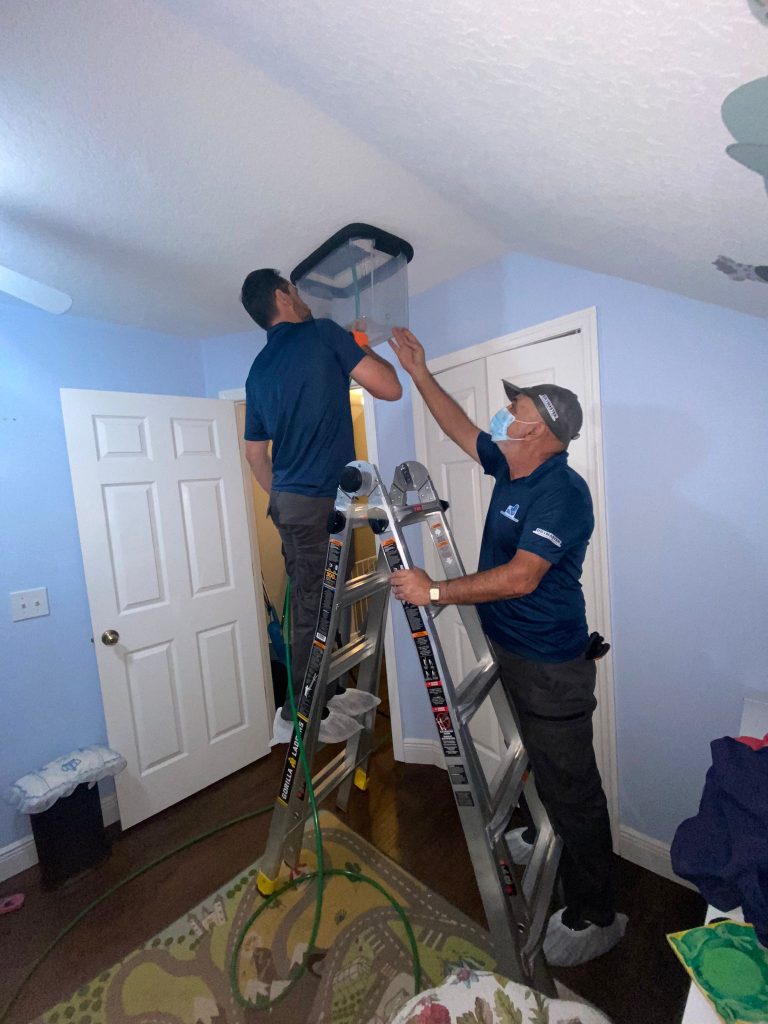
When ductwork and HVAC components are not clean, your system is not just circulating air. It is circulating moisture, dust, and potentially microbial growth.
In Portland, humidity issues often show up in subtle but persistent ways. Homeowners may not immediately connect these symptoms to their HVAC system.
Common signs of excess humidity include:
- Musty or mildew smells, especially in basements or near vents
- Condensation on windows even in mild temperatures
- Mold spots on walls, ceilings, or around duct vents
- Sticky or damp-feeling indoor air
Inconsistent or low humidity may show up as:
- Dry skin, irritated sinuses, or persistent cough
- Cracking wood floors or trim
- Static electricity throughout the home
These symptoms are often signs that your HVAC system is not managing airflow and moisture effectively.
Why Many Portland Homes Feel Damp or Musty
If your home never quite feels comfortable, the issue is often not temperature. It is how air is moving through the system.
One of the most overlooked contributors is the condition of ductwork and HVAC components.
Debris buildup on evaporator coils can reduce dehumidification efficiency by as much as 25 percent.
Leaky ducts can pull in damp, unconditioned air from crawlspaces or attics and distribute it throughout the home.
Research published in Energy and Buildings shows that contaminated HVAC systems reduce both temperature control and moisture removal performance, often explaining chronic comfort complaints.
In Portland, where crawlspaces and basements are common and often retain moisture, this becomes a major driver of indoor air quality issues.
The Role of Air Duct Cleaning and Sanitization
When ductwork and HVAC components are not clean, your system is not just circulating air. It is circulating moisture, dust, and potentially microbial growth.
Professional air duct cleaning helps restore system performance by:
- Improving airflow throughout the home
- Supporting proper humidity removal
- Reducing dust and airborne contaminants
Sanitization takes it further by:
- Addressing microbial growth inside the duct system
- Reducing mold and bacteria buildup
- Helping eliminate persistent musty odors
In a climate like Portland’s, where moisture exposure is constant, these steps are often essential for maintaining healthy indoor air.
Getting Your Humidity Right in the Pacific Northwest
If your home feels damp, smells musty, or fluctuates between too dry and too humid depending on the season, your HVAC system is usually the place to start.
In some cases, the solution may involve adding a whole-home dehumidifier or humidifier. In others, the issue is more foundational: airflow restrictions, dirty coils, or contaminated ductwork preventing the system from doing its job.
A proper inspection should evaluate the entire system, not just temperature output.
At PNW ProClean, the focus is on identifying and addressing the root causes of humidity and air quality issues through professional air duct cleaning and HVAC sanitization. In Portland homes, where moisture is a constant factor, maintaining a clean and properly functioning system is one of the most effective ways to improve comfort and protect your home.
If your home has persistent humidity issues or indoor air concerns, it may be time to take a closer look at the system behind it. Give us a call to schedule an inspection today.