

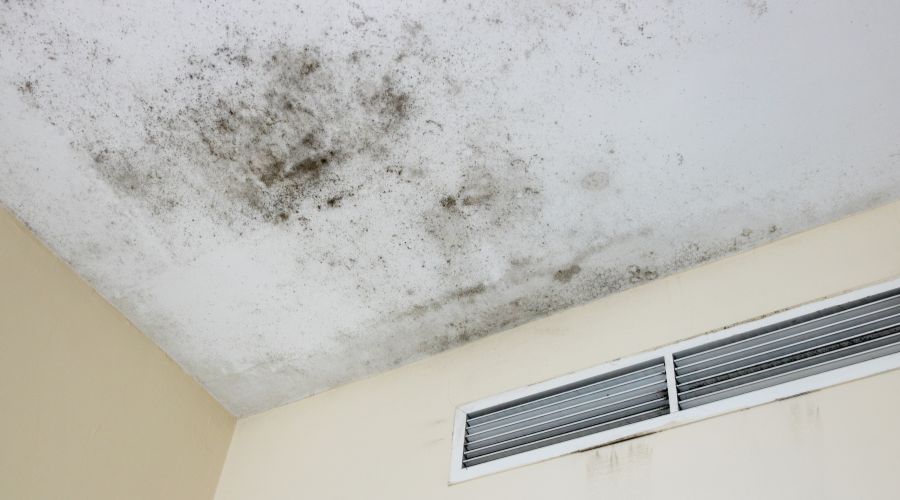
If you walk into a room, inhale a damp, musty or wet basement odor and find yourself wondering “what does mold smell like?”, that question alone is a major red flag. At PNW ProClean we see this often. The smell usually appears before the mold becomes visible. When you ignore it, the problem grows. You do not have to live with that odor or hope it resolves on its own. When professionals step in early, you protect your health, your air quality, and your property.
Why Mold Odor Often Starts in Air Ducts
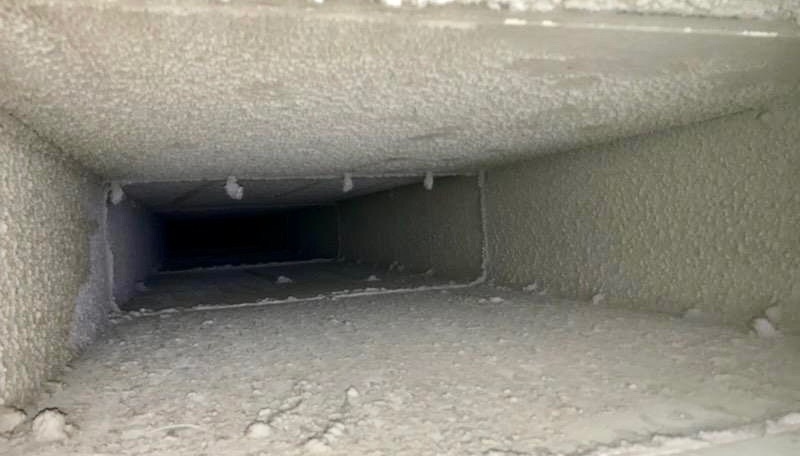
One of the most common sources of mold odor is the HVAC system. Your ducts move air throughout your home, so any moisture, dust or organic debris inside becomes the perfect environment for mold. Once growth begins, the musty smell is circulated into every room. Even if you never see visible mold, you may be smelling it each time the system turns on.
This is why air duct cleaning is an essential component of mold removal. If you clean the surfaces in your home but leave spores and contaminated dust inside the ductwork, the HVAC system will continue to spread the odor, the allergens, and the problem.
Recognizing the Smell of Mold
According to the United States Environmental Protection Agency (EPA), mold odors come from microbial volatile organic compounds (mVOCs). Most people describe the smell as:
- A musty or stale odor, like a damp basement
- An earthy or sour scent similar to wet socks or old books
- Sometimes a tangy or fermented smell when the growth is more advanced
If you notice this scent, especially when the HVAC system turns on, your ducts or nearby components may be holding spores.
Health Facts About Mold Odor
According to a 2012 study in the journal PLOS, homes with visible mold or mold odor show a 1.73 times (73 percent) increased risk of asthma.
Research from IAQ Science shows that indoor dampness and mold indicated by odor or visible signs are associated with a 30 to 80 percent higher risk of respiratory symptoms such as cough, wheeze, or bronchitis.
These findings show that odor is not just unpleasant. It is a health-related indicator.
Why You Should Call PNW ProClean
1. Air Duct Cleaning Removes Mold in the System That Spreads It
Mold inside ductwork spreads through the entire property. Without proper duct cleaning, spores remain in the system and continue circulating even after surface cleaning.
2. Prevents Mold From Returning After Remediation
If ducts still contain spores, mold often reappears. Thorough duct cleaning helps ensure that once remediation occurs, the problem does not come back.
3. Identifies Moisture Conditions in the HVAC System
Condensation, clogged filters, poor airflow or AC drainage issues can support mold growth. We evaluate the system to identify what allowed the odor to start.
4. Protects Respiratory Health
Since mold odor indicates active microbial growth, the air may contain spores or fragments that contribute to breathing issues. Cleaning the ducts lowers the amount of irritants in the air.
5. Prevents Structural Damage
Unresolved mold can spread into insulation, framing, drywall and other materials. Early intervention protects your home and limits repair costs.
6. Provides Documentation and Clear Findings
We provide reports of what was found, what was cleaned, and what moisture issues need attention. This is useful for homeowners, landlords and insurance claims.
Where Mold Odor Commonly Starts
We often find the strongest musty smells in:
- Ductwork and HVAC systems
- Crawlspaces, basements and mechanical rooms
- Bathrooms or laundry rooms with humidity buildup
- Behind cabinets or under sinks
- After leaks, flooding or water intrusion
If the odor becomes stronger when the heat or AC turns on, ducts are likely involved.
Why DIY Cleaning Is Not Enough
Surface sprays, deodorizers and odor absorbers will not eliminate mold inside air ducts. DIY cleaning often fails because:
- It cannot reach hidden growth inside vents or trunk lines
- It does not remove contaminated dust where spores cling
- It does not address moisture issues within the HVAC system
- It does not prevent the odor from recirculating
Only professional cleaning equipment can fully access and sanitize the duct system.
What to Do When You Smell Mold
If you notice a musty scent:
Trust your nose. That odor usually signals mold activity.
Pay attention to when it appears, especially if it coincides with HVAC operation.
Call PNW ProClean. We inspect, test and identify the moisture source.
Follow the remediation plan, including duct cleaning.
Take steps to reduce humidity and properly maintain your HVAC.
Why Mold Odor Should Be Taken Seriously
Mold odor is an early warning that growth may be happening where you cannot see it. Homes with mold odor are significantly more likely to produce asthma and respiratory symptoms. If you attempt to ignore the smell or mask it, the contamination usually spreads through the duct system and into living spaces.
PNW ProClean specializes in locating hidden mold, cleaning HVAC ducts, fixing the source and preventing recurrence. If you are asking “what does mold smell like?”, it is time to act. Contact PNW ProClean to ensure your home is clean, safe and free of mold-related odor.