

Photo credit: Chris Leboutillier, Unsplash
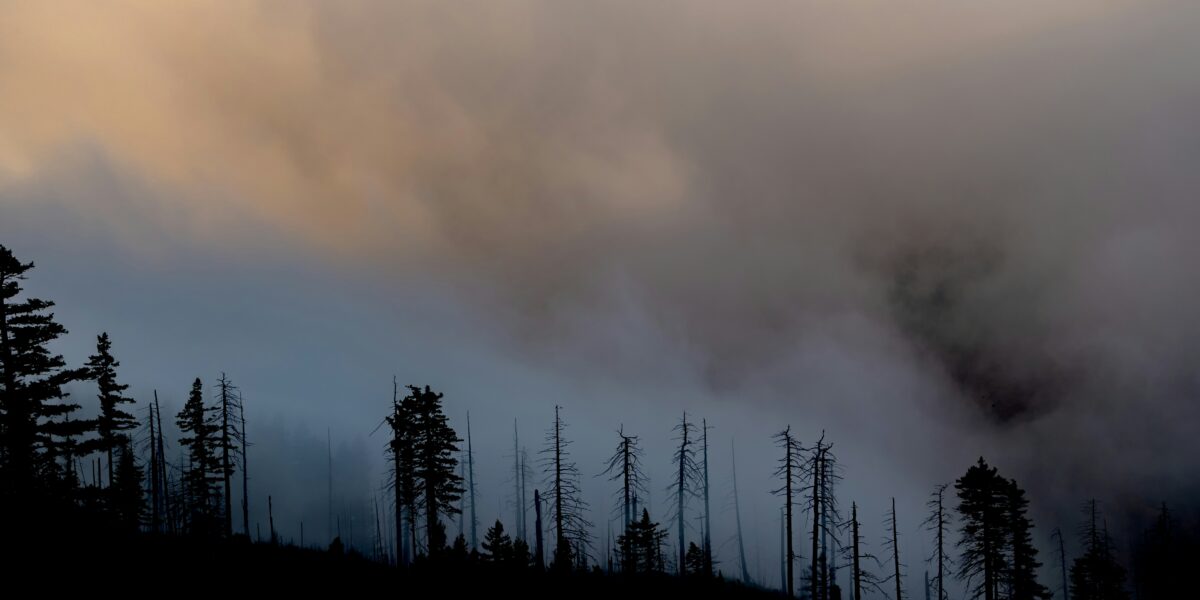
Wildfire smoke enveloping the city of Portland isn’t only harmful, it’s severe.
IQAir, a provider of real-time air quality monitoring data, recently ranked Portland as having the worst air pollution of all major cities worldwide. On Wednesday, August 5, 2026 at 7 pm PST, the city’s air quality index (AQI) was 168, sitting in the unhealthy range. Portland surpassed historically top-ranking polluted cities including Kampala, Uganda; Jakarta, Indonesia and Lahore, Pakistan.
While smoke from the current wildfires in Oregon continues to linger, it will keep on seeping indoors, compromising air quality in Portland homes; a dangerous reality. Given the current conditions, it’s especially important to protect your health and the health of those in your household.
How Wildfire Smoke Enters Your Home
Even if windows and doors remain shut, particles from wildfire smoke can enter your home via the following:
- Cracks and gaps surrounding window and doorframes
- Electrical outlets
- Foot traffic, by way of open doors and on clothing
- HVAC fresh-air intakes that bring in unfiltered air from outdoors
- Plumbing pipes
- Ventilation systems like exhaust fans
- Window electrical units
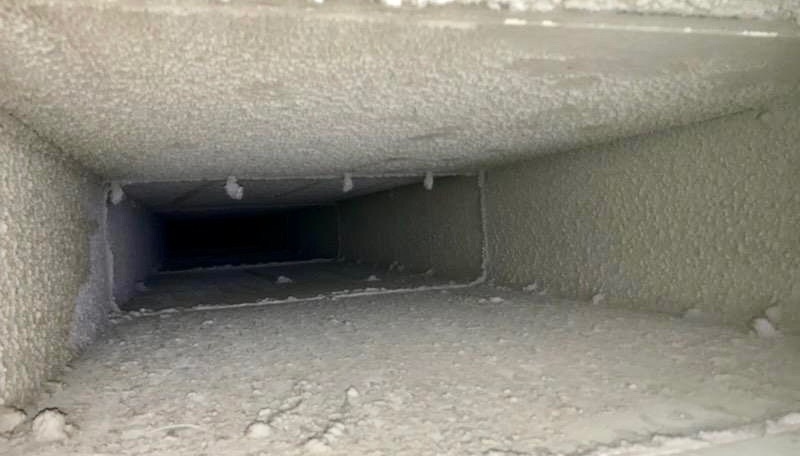
Once smoke particles are indoors, they settle in ductwork and are circulated whenever the HVAC system is used.
Effects of Circulating Smoke Particles
Particulates will continue circulating for weeks to months once they’re inside air ducts. As the current wildfires in Oregon persist, so will the buildup inside your ductwork unless it’s professionally cleaned.
No amount of smoke residue is safe to breathe in, according to the Oregon Department of Environmental Quality (ODEQ). Though everyone in Oregon is at risk of suffering effects, some demographics are more vulnerable to its effects, including infants and young children, pregnant people, older adults, smokers and people with underlying medical conditions, specifically heart or lung disease. While the ODEQ recommends staying indoors when air quality is low, having smoke particles circulate your home can be a major health concern.
The fine particulate matter in the smoke (PM2.5), measuring 2.5 micrometers in diameter, are about 30 times smaller than human hair. Because of its size, these particulates, composed of soot, ash and chemicals, can bypass the body’s nasal filtration system and move deep into the lungs, enter the bloodstream, and possibly affect the heart and other areas of the body.
The Oregon Health Authority reports that wildfire smoke can cause the following:
- Asthma attack
- Chest pain
- Eye irritation; dry or watery eyes
- Fatigue
- Headache
- Heart attack
- Inflamed sinuses
- Irregular heartbeat
- Lung irritation
- Persistent cough
- Phlegm
- Scratchy throat
- Shortness of breathe
- Wheezing
Replacing Air Filters Isn’t Enough
Many DIY methods online suggest replacing HVAC air filters. While it’s important to replace air filters periodically, especially during and after Oregon wildfire season, it’s not as effective as having your ductwork cleaned professionally.
Particulates trapped in air ducts remain trapped, regardless of the filter’s condition. The particulates combine with dust inside the air duct and enter deeper into the ductwork. The only way to remove these particles and prevent recirculation is to have an expert professionally clean your air ducts.
Air Ducts Cleaning Helps Remove Wildfire Smoke Particles: How it’s Done
When microscopic particles from wildfire smoke enter a home, the residue seeps into the air filtration system and bonds against ductwork and insulation. Unless it’s professionally removed, odors and toxins will continue releasing from this sticky film whenever your furnace or AC is turned on. The remaining residue will re-circulate throughout your home.
To efficiently remove toxins, professionals use the following four-step process:
- Shut off the HVAC system to prevent loose residue from circulating during the cleaning process.
- Use negative air pressure vacuums with HEPA filters (high-efficient particulate air filters) to forcefully suck air from the vents. The vacuum is attached to the duct trunk to capture dislodged debris and prevent it from circulating in the home or traveling through the vents.
- Use mechanical brushes to deep-clean the vents, scrubbing each duct to remove film.
- Clean the HVAC components, including the blower motor, vent registers and evaporator coils to remove trapped debris.
Professionals clean the interior walls of your HVAC system in its entirety, which is why DIY methods won’t cut it for such a thorough job. With a thoroughly cleaned system, you’ll no longer worry about recontaminating the air entering your home.
Why Having Your Ductwork Cleaned is Good for Your Health
Once wildfire smoke particles are removed from your home, you’ll breathe better and possibly notice fewer colds. Your respiratory system will have a chance to heal instead of working so hard to combat the tainted air. You’ll experience fewer instances of eye, nose and throat irritation. You’ll also make yourself and your family less susceptible to respiratory illnesses caused by material trapped in your vents.
Breathe Easier During Wildfire Season: Hire a Professional to Clean Your Air Ducts
While it’s impossible to completely avoid exposure to smoke from the Oregon fires, you can create a safer space at home by having an expert clean your air ducts.
Clean air ducts may provide these benefits and more:
- Improving conditions like asthma and allergies
- Preventing new air filters from becoming recontaminated
- Helping your HVAC system function better without being overworked
Contact PNW ProClean to schedule professional air duct cleaning for your home, so you can breathe easier during Oregon wildfire season and beyond.